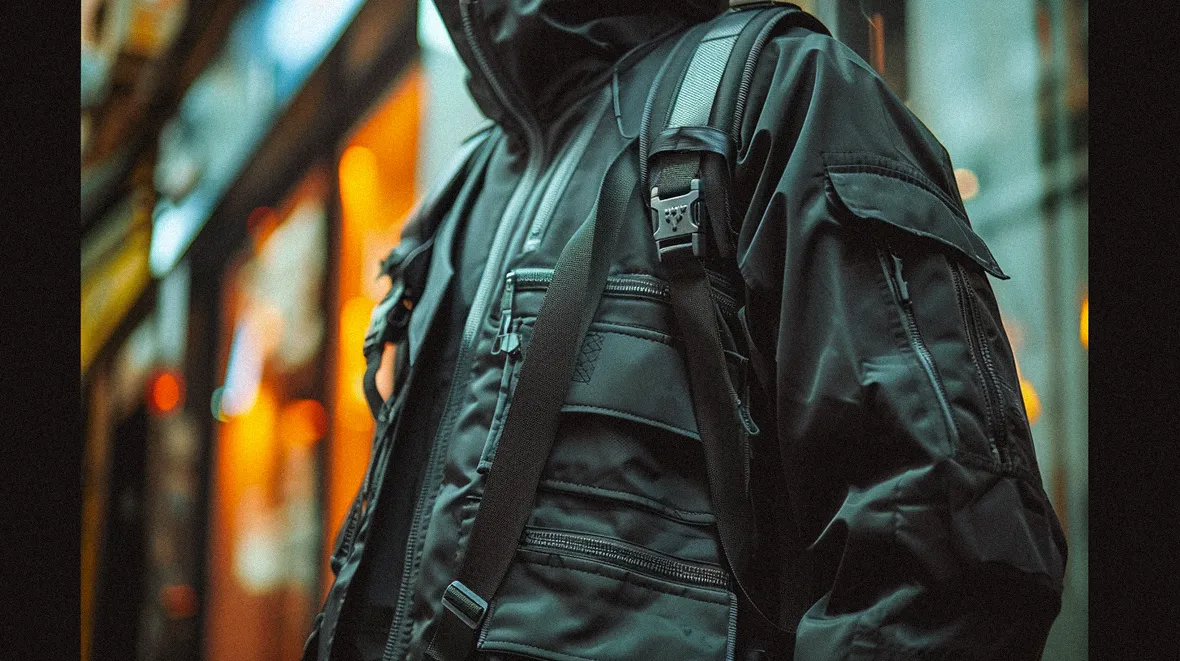
The Ultimate Guide to Waterproof, Tactical & Functional Techwear Fabrics
Techwear has grown into one of the most innovative fashion movements of the decade, blending futuristic design with high-performance materials that serve a real purpose in everyday life. From waterproof shells to abrasion-resistant tactical fabrics, the world of techwear is defined not only by its distinctive aesthetic but also by the advanced textiles that make it functional. Understanding these materials is essential for anyone looking to build a reliable, durable, and future-ready wardrobe. This guide breaks down the most important fabrics used in techwear — what they are, how they work, and why they matter.
Whether you’re a seasoned enthusiast or discovering the style for the first time, exploring the fabrics behind techwear gives you a deeper appreciation for why the clothing feels so advanced. You’ll find many of these cutting-edge materials used across collections at Cyber-Techwear, a brand known for futuristic silhouettes built on performance foundations.
Why Fabrics Matter in Techwear
Unlike most fashion categories, techwear isn’t driven by seasonal trends or surface-level style. It’s built on technical performance — breathability, mobility, protection, and strength. The right fabric can turn a jacket into a weatherproof shell, transform a pair of pants into tactical gear, or turn a simple shirt into a moisture-managing base layer.
Techwear fabrics fall into three main categories:
- Waterproof and weather-resistant materials
- Tactical and durable textiles
- Functional performance fabrics designed for comfort and movement
Each category serves a specific purpose, but most techwear pieces combine elements from all three to create multi-functional garments suited for urban and outdoor environments alike.
Waterproof Fabrics: The Shield of Techwear
Waterproof textiles are the backbone of techwear outerwear. They protect against rain, wind, snow, and unpredictable conditions without adding unnecessary bulk. The most well-known waterproof materials include both membrane-based fabrics and specially treated synthetic fibers.
Membrane-Based Waterproofing
The most iconic example of membrane-based waterproofing is Gore-Tex, famous for its micro-porous structure that allows vapor to escape while blocking water droplets from entering. This balance of waterproofing and breathability is essential for comfort during movement, keeping you dry from both the outside elements and internal moisture.
Other membranes used in techwear operate on similar principles, creating lightweight shells that resist even harsh weather. These materials are typically layered between protective outer fabrics and soft inner linings, forming a three-layer system built to last.
DWR Coatings
DWR — Durable Water Repellent — is a surface treatment applied to fabrics like nylon or polyester. While not fully waterproof on its own, it causes water to bead and roll off the surface. DWR-coated garments offer excellent resistance for light to moderate rain and are often combined with membranes to enhance durability.
Tactical Fabrics: Built for Strength and Durability
Techwear’s tactical influence comes from the use of heavy-duty fabrics designed for long-term wear, abrasion resistance, and adaptability. These textiles are ideal for pants, cargo structures, outer layers, and utility gear.
Ripstop Nylon
Ripstop nylon is one of the most recognizable tactical materials. It features a reinforced crosshatch pattern that prevents tears from spreading. Originally used in military gear and outdoor equipment, it has become a key fabric in techwear because of its strength-to-weight ratio. It’s lightweight yet incredibly robust, making it perfect for everyday use in urban environments.
Cordura
Cordura is another highly durable fabric known for its resistance to abrasions, scuffs, and general wear. It often appears in backpacks, jackets, and reinforced panels on pants. Cordura’s toughness makes it ideal for people who need their clothing to withstand intense conditions, whether commuting, biking, or exploring.
Softshell and Hardshell Structures
Softshell fabrics blend comfort and protection, offering stretch, water resistance, and breathability. Hardshells, on the other hand, focus more heavily on weatherproofing and durability. Many techwear jackets combine both through hybrid construction, using softshell zones for mobility and hardshell panels for protection.
Functional Performance Fabrics: Comfort Meets Technology
While waterproofing and durability are essential, functional comfort is equally important. Techwear thrives on fabrics that allow ease of movement, thermal regulation, and moisture management, especially in base layers or hybrid garments.
Moisture-Wicking Synthetics
Polyester and nylon blends engineered for moisture management are common in techwear tops and inner layers. These fabrics pull sweat away from the skin and disperse it across the surface so it evaporates quickly. This keeps the body cool, dry, and comfortable during active movement.
Stretch Fabrics
Elastane, spandex, or specially engineered stretch fibers play a crucial role in techwear pants and fitted tops. They ensure flexibility without losing shape, making garments feel supportive while also accommodating dynamic movement. Ergonomically designed stretch zones often appear around the knees, shoulders, and hips.
Thermal Fabrics
Some techwear pieces incorporate thermal-regulating textiles that trap body heat in cold environments while remaining breathable. These fabrics provide lightweight insulation without adding bulky layers, making them ideal for layering.
How Techwear Fabrics Work Together
The true genius of techwear lies in how these materials combine. A single jacket may use:
- A waterproof membrane
- Breathable mesh liners
- Reinforced ripstop panels
- Stretch zones for mobility
Similarly, pants might blend tactical nylon with flexible performance fibers, while tops integrate moisture-wicking materials with thermal comfort.
The result? Clothing that feels futuristic because it is — designed with intention, engineering, and real-world utility at its core.
Conclusion
Techwear is defined by its fabrics. Waterproof membranes keep you dry, tactical textiles provide resilience, and performance fibers offer comfort and mobility. Together, they form a style that is both functional and futuristic, turning clothing into adaptive gear suited for the unpredictability of modern life.
As interest in techwear continues to grow, understanding the materials behind the style helps you build a wardrobe that lasts, performs, and reflects a forward-thinking mindset. For those looking to explore these fabrics firsthand, many garments built with these technologies can be found at Cyber-Techwear, where innovation and design meet to create the next generation of functional fashion.