Hidden Dangers How to Detect Structural Problems in Your Home
Your home should be a place of safety and comfort, but unseen structural problems can turn it into a source of stress and financial strain. From minor cracks in walls to severe foundation issues, structural damage often starts subtly, making early detection crucial. Ignoring warning signs can lead to costly repairs, decreased property value, and, in extreme cases, safety hazards. Fortunately, with careful observation and proactive maintenance, homeowners can detect problems before they escalate.
Understanding Structural Damage
Structural damage refers to any compromise to the essential components of your home, including the foundation, walls, beams, roof, and floors. Common causes include:
- Foundation settling or shifting: Over time, soil movement can cause foundations to crack or sink.
- Water damage: Leaks, poor drainage, or flooding can weaken structural components.
- Termite or pest infestations: Pests like termites can compromise wooden beams and supports.
- Natural disasters: Earthquakes, heavy storms, or floods can cause immediate or progressive damage.
- Age and wear: Homes naturally experience wear and tear, particularly in older buildings.
Early signs often go unnoticed. A minor crack may seem cosmetic, but it could signal deeper problems.
Key Signs of Structural Issues
Being observant can save thousands in repairs. Here are some warning signs to watch for:
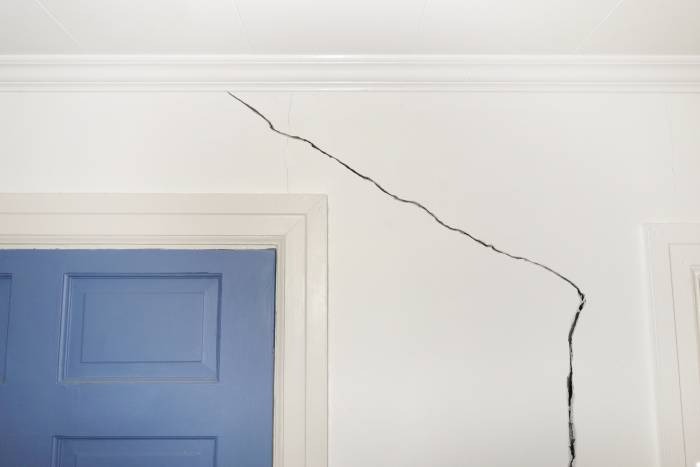
Cracks in Walls and Ceilings
Vertical cracks are usually harmless, but horizontal cracks or stair-step cracks in brickwork may indicate foundation shifts. Large cracks in ceilings, especially around heavy fixtures, can also signal structural stress.
Uneven or Sloping Floors
A floor that dips, slopes, or feels bouncy may suggest foundation problems or weakened joists. Check with a level and monitor any changes over time.
Doors and Windows That Stick
Doors or windows that suddenly stick or fail to close properly often indicate shifting walls or frames. A gap at the top of a door or window can also be a red flag.
Sagging Roof or Roof Damage
A sagging roofline can result from weakened trusses or joists. Even minor roof issues, such as damaged shingles or displaced metal roofing panels, can signal underlying structural concerns.
Water Damage or Mold
Persistent water stains, mold growth, or damp spots on walls, floors, or ceilings may indicate leaks affecting structural integrity. Water can slowly erode beams, joists, and even concrete over time.
Gaps Between Walls and Floors or Ceilings
Noticeable separation between walls, ceilings, and floors can point to foundation movement or settling. These gaps often worsen over time.
Cracks in the Foundation
Foundation cracks are among the most serious signs of structural problems. Hairline cracks may be harmless, but wider cracks or those with displacement require immediate evaluation.
How to Detect Problems Early
Preventive action is always better than reactive repair. Here are steps homeowners can take:
- Regular Inspections: Conduct seasonal walkthroughs of your home to check for signs of damage. Pay close attention to basements, attics, and crawl spaces.
- Professional Assessment: A structural engineer can identify subtle issues that may not be obvious to the untrained eye.
- Monitor Changes Over Time: Document cracks, floor dips, or sticking doors to track progression. Rapid changes are a cause for concern.
- Maintain Proper Drainage: Ensure gutters, downspouts, and grading direct water away from your home’s foundation.
- Address Roof Problems Promptly: Roof damage, even minor issues with shingles or metal roofing panels, can allow water intrusion that affects the home’s structure.
In Conclusion
Hidden structural problems are more common than many homeowners realize. Recognizing early signs—cracks, sloping floors, sticking doors, sagging roofs, and water damage—can prevent costly repairs and safeguard your home. Regular inspections, professional assessments, and proactive maintenance are essential to ensure your home remains safe and structurally sound. By staying vigilant, you not only protect your investment but also maintain a safe and comfortable living environment for you and your family.
Remember, even small indicators can point to larger issues. Detecting them early is key to avoiding major damage. Your home’s structure is its backbone—take care of it, and it will continue to support you for decades to come.
Disclaimer
The information provided in this article, “Hidden Dangers: How to Detect Structural Problems in Your Home,” is intended for general informational and educational purposes only. It does not constitute professional advice, diagnosis, or a substitute for consultation with a qualified structural engineer, contractor, home inspector, or other licensed professionals. Structural conditions can vary widely based on location, construction methods, materials, and environmental factors. Homeowners should not rely solely on this content to make decisions regarding repairs, renovations, or safety concerns. Always seek professional evaluation before undertaking any structural repairs or when serious damage is suspected. The author and publisher assume no responsibility for errors, omissions, or outcomes resulting from the use of this information.