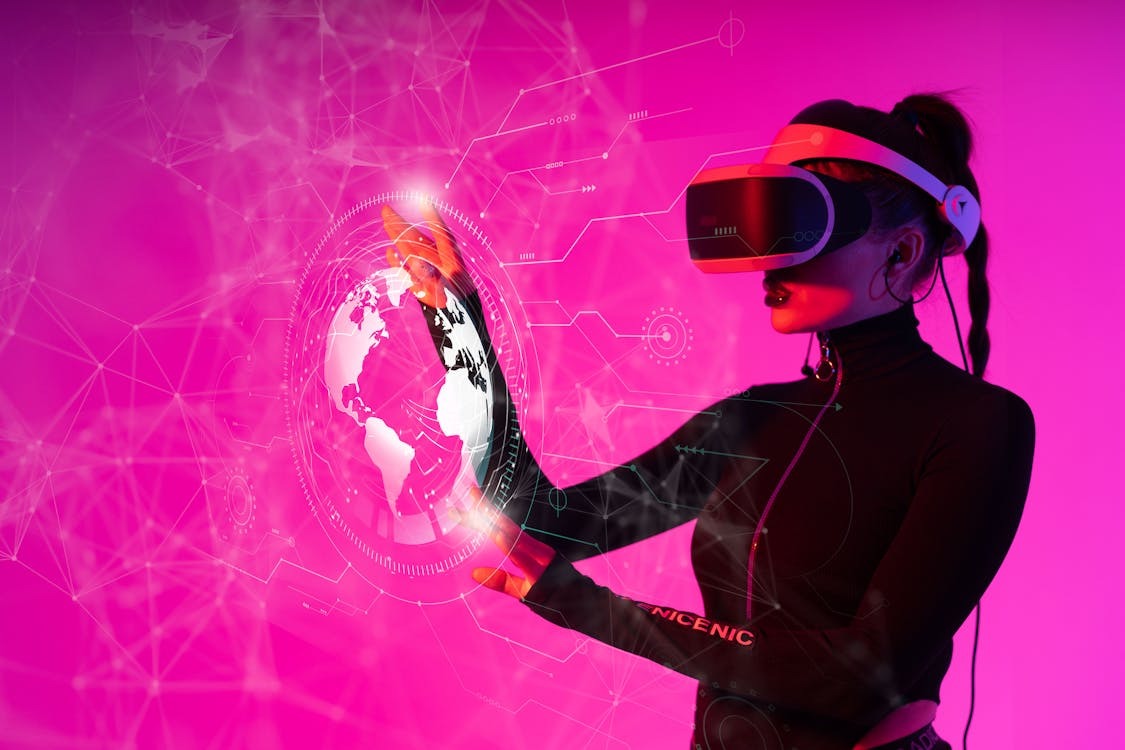
Bridging Virtual and Reality: The Tech Stack Behind Immersive Digital Systems
People today spend more time in digital spaces that closely mimic real-world experiences. Whether joining a live class, attending a virtual concert, or shopping through a livestream, the line between online and offline continues to blur. This mix of digital and physical worlds is changing how we connect, learn, and interact.
Behind these seamless experiences is a set of tools working quietly in the background. Together, they form the technology stack that powers digital systems designed to feel real. These systems must be fast, secure, and easy to use, all at once.
Achieving this requires more than simply adding superficial features to a screen. It demands careful planning and solid technical choices that work together from start to finish.
Cloud Infrastructure – Powering the Whole Experience
A system cannot function effectively without a strong foundational infrastructure. Cloud infrastructure provides the backbone that keeps everything running smoothly behind the scenes. It stores files, manages user data, runs live sessions, and keeps services online even during traffic spikes.
Scalability is one of the most significant advantages of cloud systems. Platforms can serve 10 users or 10,000 without needing to rebuild their setup. Servers adjust automatically, ensuring users do not experience slowdowns, dropped connections, or broken links during peak periods.
Many online platforms rely on cloud tools to implement updates without downtime. Education apps can roll out new features overnight, and content creators can upload high-quality videos without overloading local servers.
Another example is virtual live casinos, where real-time video, cloud processing, and secure data handling come together to deliver smooth and interactive experiences. These systems demand both speed and stability, which cloud tools are built to support.
Live Video – The Foundation of Real-Time Interaction
Live video plays a crucial role in bringing digital systems to life. It creates a sense of presence, allowing users to feel as though they share the same space, even when miles apart. People can participate in events, classes, or discussions in real time, which makes the experience feel authentic.
Smooth video calls and broadcasts depend on several factors. Platforms need fast internet, efficient compression methods, and low latency to avoid delays or poor image quality. Systems also need to adapt to different devices and networks so that more people can join without technical issues.
High-quality live video is not only about being seen and heard; it also builds user trust and encourages repeat engagement. Businesses use it for remote meetings, tutors rely on it for online classes, and creators stream content live to their followers. Without stable video tools, immersive systems would quickly lose their effectiveness.
AI Moderation – Keeping Digital Spaces Safe and Smooth
Digital spaces function best when users feel safe. AI moderation helps maintain safety by addressing issues in real-time. It scans live chats, audio, and images to detect hate speech, spam, and harmful behaviour.
Human moderators cannot keep up with the volume of activity on large platforms, but AI can monitor thousands of live sessions simultaneously and alert teams when intervention is required. These systems are trained on extensive datasets to detect patterns and respond quickly.
For instance, an online education platform might use AI to filter inappropriate language, while a live shopping app can mute users who post spam during a broadcast. AI tools facilitate rapid filtering, enabling human teams to concentrate on more complex decisions.
Responsive UI – Making the Experience Feel Natural
Effective design simplifies user interaction. Responsive UI enables a system to adjust to different devices, screen sizes, and user habits without feeling awkward. Users can access a platform on their phone in the morning and on a laptop in the evening without needing to relearn how it works.
Navigation plays a critical role. Menus should be clear, buttons should be easy to tap, and visuals should be clean. The goal is to minimise friction so users can focus on the experience rather than figuring out how to move between screens.
When design works smoothly, users stay longer and are more likely to return. Social platforms, live auctions, and online therapy sessions all rely on fast, intuitive interfaces that feel familiar and do not overwhelm users with unnecessary steps.
Real-Time Data Sync – Keeping Everything in Step
Even fast systems require real-time synchronisation to ensure consistent user experiences. Real-time data sync keeps every user’s screen up to date, whether they are chatting, reacting, or watching. When someone makes a change, it appears immediately for others, making shared actions feel natural and smooth.
This feature is critical in group settings, such as live quiz games, shared documents, or customer support dashboards. All participants need to see updates instantly, or the experience can become confusing and disconnected.
Platforms achieve this using tools like WebSockets and real-time databases. These solutions keep data moving without delay, helping users feel actively involved rather than passive observers. Conversations, votes, updates, and actions flow naturally in real time.
Wrap Up
Creating compelling virtual experiences requires more than innovative ideas. The right tools must work together seamlessly. When live video, AI moderation, responsive design, cloud services, and fast data sync align, the result is a smooth and natural experience.
This seamless performance is now what users expect, even if they are not aware of all the work happening behind the scenes. The future of digital systems depends on maintaining simplicity for users while ensuring strength and reliability behind the hood.
Disclaimer:
This article is intended for general informational and educational purposes only. It does not provide technical, legal, financial, or professional advice, nor does it recommend or endorse any specific platform, software, service, or technology provider. Examples mentioned are illustrative and may not reflect all real-world implementations. Technology performance, security, and user experience can vary based on system design, infrastructure, and usage conditions. Readers should consult qualified technical professionals before making decisions related to digital platforms, infrastructure, or system architecture.