How Panchakarma Treatment Cleanses the Body at a Deeper Level
Panchakarma is a key component of Ayurvedic medicine, designed to cleanse the body of accumulated toxins and restore physical and mental balance. Unlike quick detox programs that focus on short-term outcomes, Panchakarma works at a deeper level by addressing underlying imbalances in digestion, metabolism, and tissue function.
This ancient therapeutic system combines multiple procedures tailored to each individual’s constitution (dosha) and health needs. When done correctly, Panchakarma helps improve digestion, strengthen immunity, enhance clarity of mind, and support long-term wellness. In this article, we explain how Panchakarma treatment cleanses the body deeply, what to expect during the process, and why it is considered a comprehensive approach rather than a superficial detox.
What Is Panchakarma?
The term Panchakarma literally means “five actions.” It refers to five therapeutic procedures aimed at eliminating toxins (known as ama in Ayurvedic terms) from the body. These therapies work together to:
- Mobilize toxins from deep tissues
- Improve metabolic processes
- Restore physiological balance
- Strengthen natural defense mechanisms
Unlike fad detox trends, Panchakarma is a structured and progressively administered process guided by trained Ayurvedic practitioners.
Why Deep Cleansing Matters
Toxins accumulate in the body over time due to factors such as:
- Poor digestion and irregular eating habits
- Chronic stress
- Environmental pollutants
- Sedentary lifestyle
- Medications
Over time, this accumulation disrupts normal physiological functions, weakens immunity, and contributes to fatigue, inflammation, and metabolic imbalance. Panchakarma aims to address these root causes, not just the symptoms.
The Three Phases of Panchakarma
Panchakarma is usually administered in three key phases, each with a specific purpose.
1. Preparation (Purva Karma)
Before any cleansing begins, the body is prepared to release deep-seated toxins safely. This phase includes:
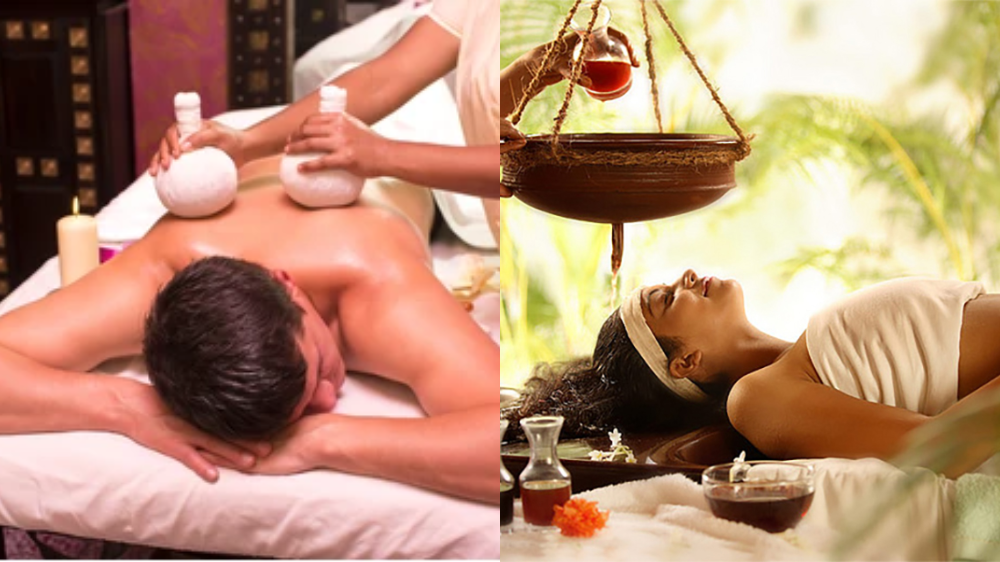
- Abhyanga (medicated oil massage): Warm herbal oils are used to improve circulation and relax muscles.
- Swedana (herbal steam therapy): Gentle steaming helps open body channels and loosen toxins.
These preparatory steps help soften and mobilize toxins so they can be more easily eliminated during the core therapies.
2. Main Detox Phase (Pradhana Karma)
This is the core of Panchakarma and includes the five major cleansing therapies:
- Vamana (therapeutic emesis): Induced purging to remove excess mucus and toxins from the upper digestive tract.
- Virechana (therapeutic purgation): Herbal purgatives help clear toxins from the lower digestive tract and liver.
- Basti (medicated enema): Considered one of the most powerful therapies where medicated decoctions help remove toxins from deep tissues and balance Vata dosha.
- Nasya (nasal therapy): Herbal oils or powders administered through the nostrils help clear toxins from head and neck regions.
- Raktamokshana (blood detoxification): Removal of impurities from the bloodstream in select cases under supervision.
These procedures target different organs and systems, helping eliminate toxins systematically rather than superficially.
3. Rejuvenation (Paschat Karma)
After detoxification, the body needs support to rebuild strength and maintain balance. This phase includes:
- Nutritive therapies
- Muscle toning massage
- Herbal supplements
- Personalized diet and lifestyle guidance
The goal is to stabilize digestion, restore energy, and prevent toxin reaccumulation.
How Panchakarma Promotes Deep Cleansing
1. Improving Digestion and Metabolism
Many health issues originate from weak digestion, known as Agni imbalance in Ayurveda. Panchakarma enhances digestive function, helping the body process food more efficiently and reducing the formation of metabolic waste.
2. Mobilizing Toxins From Deep Tissues
Preparatory therapies help loosen toxins trapped in muscles, fat, and connective tissues. The main cleansing procedures then facilitate their removal through safe and controlled channels.
3. Supporting Immune Function
By eliminating metabolic waste and restoring balance, Panchakarma helps strengthen the immune system. This enhances the body’s natural ability to resist infections and maintain homeostasis.
4. Reducing Inflammation and Stress
Chronic inflammation and stress contribute to many modern chronic illnesses. Panchakarma therapies help soothe the nervous system, reduce inflammatory responses, and promote relaxation.
Who May Benefit From Panchakarma?
Panchakarma can be supportive for individuals dealing with:
- Digestive complaints
- Metabolic imbalance
- Chronic fatigue
- Stress and sleep disturbances
- Joint pain or stiffness
- Allergies
- Recurrent infections
However, it should be administered by well-trained Ayurvedic doctors following proper assessment of individual health and needs.
In cities such as Hyderabad, individuals seeking structured wellness programs may inquire about the best panchakarma treatment in Hyderabad to ensure personalized protocols and safe supervision.
What to Expect During Panchakarma
Initial Consultation
A thorough consultation helps determine:
- Dosha imbalances
- Digestive strength
- Medical history
- Current lifestyle and routines
This informs the therapeutic plan and sequencing of procedures.
Daily Therapies
During the detox phase, Panchakarma may require:
- Multiple daily massages
- Herbal oil applications
- Steam therapy
- Specific cleansing procedures
Therapy frequency and duration vary based on individual needs.
Dietary Regimen
A key part of Panchakarma is diet. A tailored eating plan supports detoxification and reduces digestive stress. It may include:
- Warm, easily digestible foods
- Herbal teas and broths
- Light, nutritious meals
- Avoidance of processed or heavy foods
Post-Treatment Care
After completing Panchakarma, patients receive guidance on:
- Long-term balanced eating
- Daily routines for health maintenance
- Stress management
- Seasonal self-care
These recommendations help prolong the benefits of cleansing.
Precautions and Safety
Panchakarma is generally safe when administered by qualified Ayurvedic doctors. However:
- Not all individuals are suitable candidates for all procedures.
- Pregnant women and people with certain medical conditions require careful assessment.
- Quality and hygiene standards should be maintained.
Always choose trained Ayurvedic specialists and ensure that treatments are supervised appropriately.
FAQs
How long does Panchakarma take?
The duration varies by individual goals and dosha imbalance. Traditional programs may range from one to three weeks, but consultation determines the appropriate length.
Is Panchakarma painful?
Most therapies are designed to be therapeutic and relaxing. Some procedures, like purgation, may cause discomfort but are guided and monitored for safety.
Can Panchakarma help with chronic health issues?
Yes. Many individuals with chronic lifestyle-related conditions experience improvement, especially when Panchakarma is combined with dietary and lifestyle adjustments.
Is diet important during Panchakarma?
Yes. Customized diet plans are central to successful detoxification and long-term balance.
How often should one do Panchakarma?
Frequency depends on individual health goals and lifestyle. Many people benefit from seasonal treatments or annual programs for ongoing balance.
Conclusion
Panchakarma treatment offers a deep, structured approach to cleansing the body and restoring balance. Unlike superficial detox methods, it targets the root causes of imbalance by improving digestion, mobilizing toxins, supporting immunity, and promoting mental clarity. Through a combination of personalized therapies, dietary guidance, and lifestyle recommendations, Panchakarma provides long-lasting wellness rather than temporary symptom relief.
When administered under qualified supervision and tailored to individual needs, Panchakarma can be a powerful tool for holistic health, helping the body clear accumulated waste, strengthen internal resilience, and function more optimally in everyday life.
Disclaimer
This article is intended for informational and educational purposes only and is not a substitute for professional medical advice, diagnosis, or treatment. Panchakarma is a traditional Ayurvedic therapy that should be undertaken only under the guidance of a qualified and licensed Ayurvedic practitioner or healthcare professional. The benefits and outcomes may vary from person to person depending on individual health conditions, body constitution, and adherence to prescribed protocols. Individuals who are pregnant, nursing, taking medications, or dealing with pre-existing medical conditions should consult their physician before starting any detoxification or wellness program. The information provided here does not claim to prevent, treat, or cure any disease. Always seek the advice of your doctor or another qualified health provider with any questions you may have regarding a medical condition or treatment.