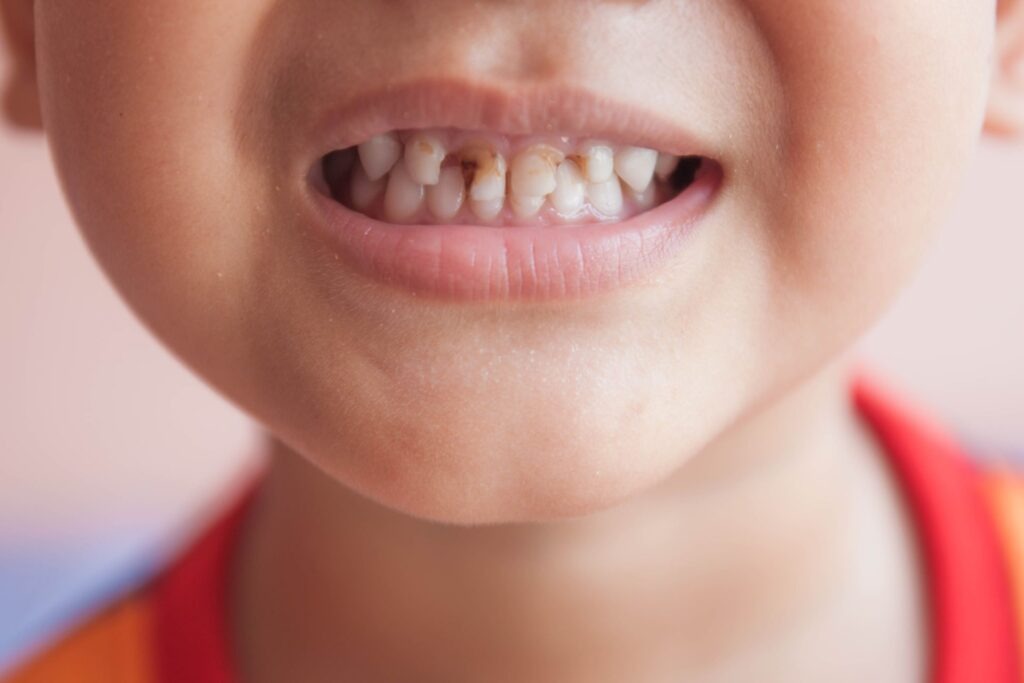
Common Childhood Dental Issues Parents Should Know About
Most parents track milestones, but dental health often gets overlooked—even though issues can start before age one. Baby teeth guide jaw development, support speech, and hold space for adult teeth. Untreated dental problems can impact nutrition, sleep, confidence, and school performance. The good news? Most are preventable or manageable with early care. Here’s what parents need to know.
Baby Bottle Tooth Decay: A Common but Preventable Problem
Baby bottle tooth decay—also called early childhood caries—is one of the most widespread dental issues in young children. It occurs when sugary liquids like milk, formula, fruit juice, or sweetened drinks repeatedly coat the teeth, feeding the bacteria that produce enamel-eroding acids.
The front upper teeth are typically the first to show signs, appearing as white or brown spots along the gum line. Left untreated, these spots progress into painful cavities that can interfere with eating and speech development.
What causes it?
The main culprit is prolonged exposure to sugary liquids—particularly when babies are put to bed with a bottle or when toddlers use a sippy cup as a comfort item throughout the day. Saliva, which naturally neutralizes acid, decreases during sleep, leaving teeth more vulnerable.
How to prevent it
- Never put a baby to bed with a bottle containing anything other than water
- Wipe your baby’s gums with a damp cloth after feedings, even before teeth erupt
- Transition to a regular cup around 12 months
- Limit fruit juice, especially between meals
- Brush your child’s teeth as soon as the first tooth appears, using a rice-sized smear of fluoride toothpaste
The Impact of Thumb Sucking on Dental Alignment
Thumb sucking is a natural self-soothing reflex—perfectly normal in infants and toddlers. Most children give it up on their own between the ages of 2 and 4. The concern arises when the habit continues past the age of 5 or 6, when permanent teeth start to come in.
Persistent thumb sucking can push front teeth forward (creating an “open bite”), narrow the upper jaw, and shift the lower teeth inward. The intensity of the habit matters too—passive resting of the thumb in the mouth is less damaging than vigorous, active sucking.
When should parents step in?
If your child is still thumb sucking past their 4th birthday, it’s worth mentioning to your dentist at the next checkup. Gentle, positive reinforcement tends to work better than negative attention. For older children who want to stop but struggle, a dentist can recommend habit-breaking appliances or other strategies.
Identifying Early Signs of Childhood Cavities
Cavities are the most common chronic childhood disease—more prevalent than asthma, hay fever, and diabetes combined. Despite being largely preventable, many go unnoticed until they’ve progressed significantly.
Children’s enamel is thinner and softer than adult enamel, which means decay can spread faster. That’s why early detection matters so much.
Signs to watch for
- White spots on the teeth (early demineralization)
- Brown or black discoloration on the tooth surface
- Sensitivity to hot, cold, or sweet foods
- Visible holes or pits in a tooth
- Complaints of a toothache, especially at night
Young children may not be able to articulate tooth pain clearly—watch for changes in eating habits, unexplained irritability, or reluctance to chew on one side.
Prevention strategies
Brushing twice daily with fluoride toothpaste, limiting sugary snacks and drinks, drinking fluoridated tap water, and attending regular dental checkups all significantly reduce cavity risk. Dental sealants—thin protective coatings applied to the back teeth—are another effective preventive measure for school-aged children.
Gum Disease in Kids: What to Look For
Gum disease isn’t just an adult problem. Gingivitis, the mildest form, is surprisingly common in children and adolescents. It occurs when plaque builds up along the gum line, triggering inflammation that causes the gums to become red, swollen, and prone to bleeding—especially during brushing.
In most cases, childhood gingivitis is caused by inconsistent brushing and flossing habits. It’s generally reversible with improved oral hygiene, but if left unaddressed, it can progress to more serious periodontal disease.
Signs of gum disease in children
- Red, puffy, or tender gums
- Gums that bleed when brushing or flossing
- Persistent bad breath
- Gums that appear to be pulling away from the teeth
Some children are more susceptible to gum problems due to hormonal changes (particularly around puberty), certain medications, or underlying health conditions like diabetes. If you notice any of these signs, schedule a dental visit rather than waiting for the next routine appointment.
When to Schedule the First Dental Visit
The American Academy of Pediatric Dentistry recommends scheduling a child’s first dental appointment by their first birthday—or within six months of the first tooth erupting, whichever comes first. Many parents are surprised by this timeline, assuming dental visits aren’t necessary until a child has a full set of teeth.
Early visits serve a critical purpose. They allow dentists to assess dental development, identify any concerns before they escalate, and give parents practical, personalized guidance on hygiene, diet, and habits. Getting children comfortable in the dental chair early also reduces anxiety and builds a positive association with oral healthcare.
For some children, early intervention may extend beyond routine care. Cases involving severe decay, structural abnormalities, or significant bite issues may require a referral for pediatric oral surgery in Portland. These procedures are performed by specialists trained specifically to work with children, ensuring both safety and comfort throughout the process.
What to expect at early visits
Early appointments are typically brief and focused on building familiarity. The dentist will examine the teeth and gums, check for developmental concerns, and answer any questions you have. Bringing a child’s favorite toy or comfort item can help ease nerves. Keeping your own tone calm and positive sets the stage for how your child will perceive dental care going forward.
Conclusion
Pediatric dental health isn’t just about fixing problems—it’s about preventing them from taking root in the first place. The habits children develop early tend to stick. A child who grows up brushing and flossing consistently, visiting the dentist regularly, and making mindful food choices carries those habits into adulthood.
Disclaimer
The information provided in this article is intended for educational and informational purposes only and should not be considered medical or dental advice. While every effort has been made to ensure the accuracy of the content, it is not a substitute for professional evaluation, diagnosis, or treatment by a qualified dentist, pediatric dentist, or healthcare provider. Parents and caregivers should consult a licensed dental professional for advice regarding their child’s specific oral health needs. Never disregard professional dental or medical guidance or delay seeking care because of information you have read in this article.