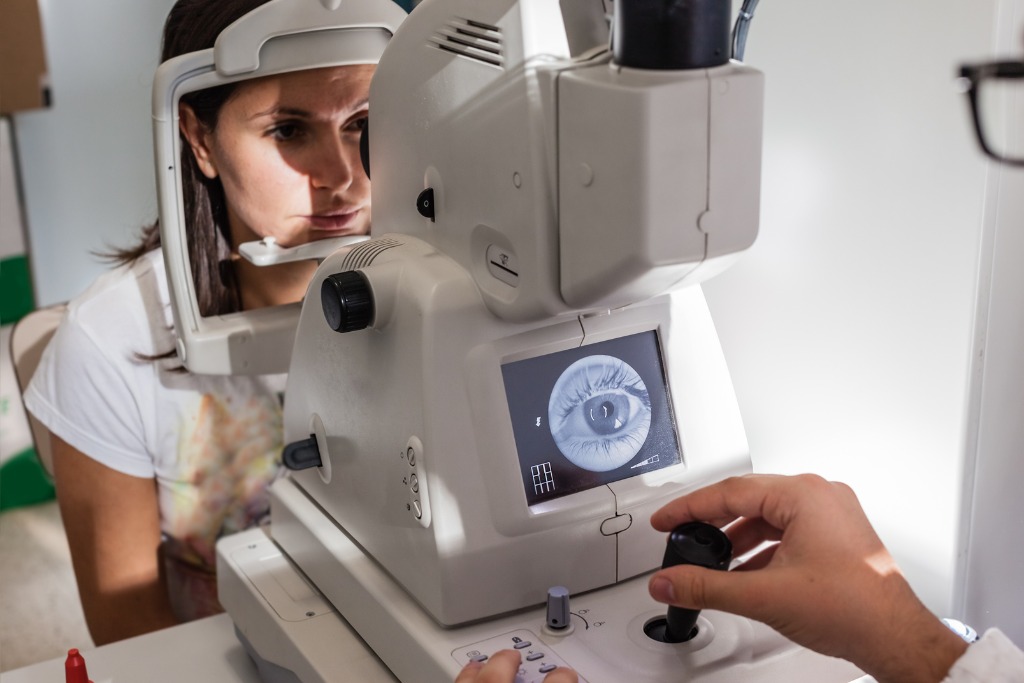
Common Retinal Diseases And Their Treatment Options
The retina is a thin layer of tissue at the back of the eye responsible for converting light into neural signals that the brain interprets as vision. Any damage to this delicate structure can lead to blurred vision, floaters, distorted images, or sudden vision loss. Because the retina plays a central role in visual processing, early detection of retinal issues is critical. Routine eye exams help identify changes long before symptoms become severe.
Diabetic Retinopathy
Diabetic retinopathy occurs when prolonged high blood sugar damages the tiny blood vessels in the retina. It may begin without noticeable symptoms, eventually leading to vision distortion or blindness if untreated. Modern treatments include laser photocoagulation, anti-VEGF injections, and vitrectomy for advanced stages. Controlling diabetes remains essential for slowing progression. Regular eye screenings help detect early vessel changes and allow intervention before vision becomes permanently affected.
Age-Related Macular Degeneration (AMD)
AMD affects the macula, the central part of the retina responsible for detailed vision. Dry AMD involves thinning of retinal tissue, while wet AMD results from abnormal blood vessel growth. Wet AMD often progresses faster and may cause sudden vision changes. Treatment options include anti-VEGF injections to reduce leakage and slow disease progression. Nutritional supplements may help in certain dry AMD cases.
Retinal Detachment
Retinal detachment is a medical emergency where the retina pulls away from its normal position. Warning signs include sudden flashes of light, floaters, and a dark shadow or curtain over part of the visual field. Immediate treatment is essential to preserve vision. Surgical options include pneumatic retinopexy, scleral buckle, and vitrectomy. Early detection dramatically increases the chances of successful recovery.
Macular Hole And Macular Pucker
A macular hole occurs due to the thinning or tearing of the macula, leading to blurred or distorted central vision. A macular pucker develops when scar tissue forms over the macula, causing wrinkling and visual distortion. Both conditions affect tasks that require detailed vision such as reading or recognizing faces. Treatment typically involves vitrectomy surgery to remove traction or scar tissue.
Retinitis Pigmentosa And Genetic Retinal Disorders
Retinitis pigmentosa (RP) is a group of genetic disorders that gradually damage the retina’s photoreceptor cells. Early symptoms include night blindness and reduced peripheral vision. Over time, vision may narrow into tunnel vision. Because RP is hereditary, genetic testing and counseling help families understand risks and progression patterns. While there is no cure, treatments such as vitamin therapy, retinal implants, and low-vision rehabilitation help improve daily functioning.
Central Serous Retinopathy (CSR)
CSR occurs when fluid builds up under the retina, creating a small detachment that affects central vision. It often affects individuals under stress or those using corticosteroids. Symptoms include a dim or blurry spot in the center of vision, objects appearing smaller, or reduced contrast. Many cases resolve on their own, but persistent CSRs may require laser therapy.
Vascular Occlusions Of The Retina
Retinal vein or artery occlusions occur when blood flow is blocked, causing sudden vision loss or blurriness. These conditions often arise from hypertension, diabetes, or cardiovascular issues. Treatment focuses on controlling underlying health conditions and using anti-VEGF injections or laser therapy to reduce swelling. Early intervention helps prevent complications such as macular edema.
Chandigarh offers advanced eye care facilities equipped with modern diagnostic tools and experienced retinal surgeons. Patients benefit from detailed evaluations, personalized treatment plans, and access to the latest medical technologies. Many rely on the best retina specialist in chandigarh for comprehensive care that includes early detection, medical management, and surgical intervention.
Advanced Surgical And Non-Surgical Treatment Options
Treatment options depend on the specific retinal condition. Anti-VEGF injections help manage diseases caused by abnormal blood vessel growth. Laser therapy seals leaks or prevents further damage in conditions like diabetic retinopathy. Vitrectomy surgery removes scar tissue or blood to restore vision in more advanced cases. Non-surgical approaches such as nutritional supplements or lifestyle adjustments complement clinical care. Each treatment plan is tailored to the patient’s severity and diagnosis.