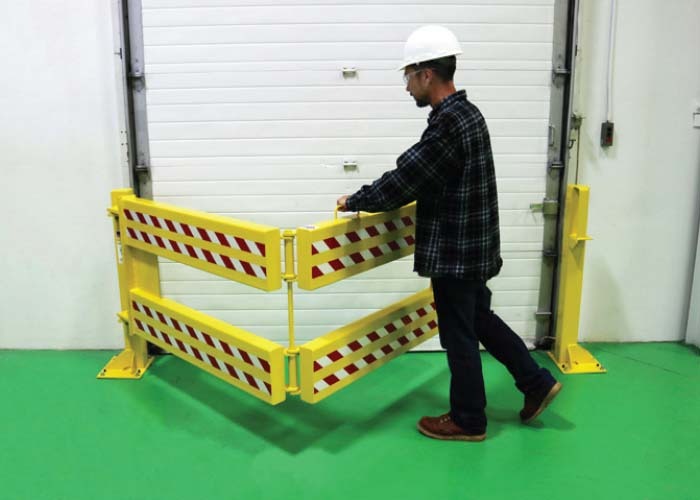
Reliable Dock Safety for Industrial Operations
Loading docks are the bustling hubs of the supply chain. They are where products begin their journey to customers and where raw materials arrive to keep production lines moving. With heavy machinery, massive trucks, and tight schedules, these areas are hives of activity. Amidst this constant movement, ensuring safety and efficiency is critical. This is where Vehicle Restraint Systems come into play.
These systems are not just accessories; they are fundamental components of modern logistics infrastructure. By securing vehicles during loading and unloading, they prevent accidents, protect valuable cargo, and ensure that operations run smoothly. If you manage a warehouse, distribution center, or manufacturing facility, understanding the role of these restraints is the first step toward creating a safer, more productive environment. In this guide, we will explore what these systems are, why they are indispensable for modern businesses, and how they contribute to a seamless supply chain operation.
What Are Vehicle Restraint Systems?
At its core, a vehicle restraint system is a safety mechanism designed to hold a truck, trailer, or semi-truck in place at a loading dock. While the concept sounds simple, the technology behind it can be quite advanced. The primary goal is to prevent the vehicle from moving away from the dock before loading or unloading is complete.
Traditionally, businesses relied on manual wheel chocks—simple wedges placed behind tires. However, as supply chains have accelerated and safety standards have risen, manual methods often prove insufficient due to human error or poor weather conditions. Modern Vehicle Restraint Systems offer a more robust solution. They physically engage with the truck, either by locking onto the rear impact guard (RIG) or by securing the wheels directly, ensuring the vehicle remains stationary until it is safe to depart.
The Critical Risks They Prevent
To understand the value of these systems, one must first look at the risks present in a typical loading dock environment. Without proper restraints, several dangerous scenarios can occur:
Unscheduled Departures
This happens when a driver mistakenly believes the loading process is finished and pulls away while a forklift or worker is still entering or exiting the trailer. This is one of the most severe accidents that can occur at a dock.
Trailer Creep
The momentum of a forklift entering and exiting a trailer can cause the trailer to slowly inch away from the dock leveler. Over time, a gap can form between the dock and the trailer, creating a hazard where a forklift could fall through.
Landing Gear Collapse
Weak or damaged landing gear on a spotted trailer can give way under the weight of a forklift. While restraints specifically target vehicle movement, some advanced systems also help stabilize trailers, adding a layer of security.
Implementing robust Vehicle Restraint Systems effectively mitigates these risks, providing a fail-safe that manual chocks simply cannot match.
Types of Vehicle Restraint Systems
There is no one-size-fits-all solution for loading docks. Different facilities handle different types of fleets, and the choice of restraint often depends on the specific needs of the operation.
RIG-Based Restraints
These are among the most common types found in warehouses. They work by engaging the Rear Impact Guard (RIG) or ICC bar found on the back of most trucks. A rotating hook or a vertical barrier rises from the dock wall to latch onto this bar, physically preventing the truck from pulling away. They are highly effective for standard fleets and are often automated, interacting directly with dock levelers and traffic light systems.
Wheel-Based Restraints
Not all trucks have standard RIGs. Liftgate trailers, for example, often have obstructed rear guards. In these cases, wheel-based restraints are the ideal solution. These systems engage the vehicle’s tires to prevent movement. Some are manual, but the most efficient versions are automatic.
Automatic wheel restraints, often embedded into the ground or mounted alongside the drive approach, rise up or slide into position to lock the wheel in place. These are particularly versatile because they can secure almost any vehicle type, from a small delivery van to a massive semi-truck, regardless of the rear guard configuration.
The Operational Benefits
While safety is the primary driver for installing Vehicle Restraint Systems, the operational benefits are equally compelling. These systems do more than just stop accidents; they streamline the entire docking process.
Enhanced Communication
Most modern restraint systems come integrated with light communication packages—typically a system of red and green lights for both the truck driver and the dock worker.
- Outside: A green light tells the driver it is safe to back in. A red light indicates the truck is secured and must not move.
- Inside: A green light tells the forklift operator that the truck is secured and safe to enter. A red light warns that the truck is not yet secured or is preparing to leave.
This clear, visual communication removes the guesswork, reducing confusion and speeding up turnaround times.
Protection of Equipment and Cargo
When a truck creeps away from the dock, it can damage the dock leveler, the door seals, and the building itself. Sudden movements can also cause cargo to shift or fall, leading to damaged goods. By keeping the trailer firmly in place, restraints protect the facility’s infrastructure and the integrity of the products being shipped.
All-Weather Reliability
Loading docks operate rain or shine. Manual chocks can slip in mud, ice, or snow. Advanced restraints, particularly those designed for harsh environments, are engineered to function reliably regardless of weather conditions. Ground-based wheel restraints, for instance, are often designed to work effectively even when the driveway is wet or icy, ensuring consistent safety year-round.
Compliance and Peace of Mind
Workplace safety regulations are stringent, and for good reason. Regulatory bodies like OSHA (Occupational Safety and Health Administration) have specific requirements regarding the securing of trucks at loading docks.
Using certified Vehicle Restraint Systems demonstrates a commitment to compliance and safety. It shows employees that their well-being is a priority, which can boost morale and retention. When workers feel safe, they can focus on their tasks with confidence, leading to higher productivity and fewer disruptions.
Furthermore, investing in high-quality safety equipment can reduce liability. Accidents are costly not just in terms of medical bills and repairs, but also in legal fees and insurance premiums. A proactive approach to safety is a smart financial strategy for any logistics business.
Selecting the Right System for Your Facility
Choosing the right restraint requires evaluating your specific operational needs. Here are a few factors to consider:
- Fleet Mix: Do you service standard trailers, liftgates, or a mix of various vehicle sizes? Wheel restraints offer greater versatility for mixed fleets.
- Climate: If your facility is in an area with heavy snow or ice, you need a system designed to withstand those elements without seizing up or losing grip.
- Volume: High-volume docks benefit immensely from fully automated systems that integrate with door openers and levelers to shave seconds off every cycle.
- Driveway Configuration: The slope and condition of your dock approach can influence which restraints will be most effective.
Securing the Future of Your Loading Dock
The logistics industry is evolving. Speeds are increasing, and the pressure to deliver faster is higher than ever. In this environment, relying on outdated safety methods is a risk no business should take. Vehicle Restraint Systems provide the security and stability required to meet modern demands. They bridge the gap between the stationary warehouse and the mobile fleet, creating a secure connection that allows commerce to flow freely and safely. Whether you opt for a RIG-based hook or a sophisticated wheel restraint, the investment is an investment in your people, your products, and your reputation. By implementing these systems, you are not just securing a truck; you are securing the continuity of your business.
Disclaimer
The information provided in this article is for general informational and educational purposes only. While every effort has been made to ensure the accuracy and reliability of the content, the author makes no representations or warranties of any kind, express or implied, about the completeness, accuracy, suitability, or availability of the information discussed. Any action you take based on the information in this article is strictly at your own risk. The author and publisher will not be liable for any losses or damages arising from the use of this content. References to products, services, websites, or brands are for informational purposes only and do not constitute endorsement or affiliation unless explicitly stated.